Hi there! How can we help you today?

Office Address
123/A, Miranda City Likaoli
Prikano, Dope
Phone Number
+0989 7876 9865 9
+(090) 8765 86543 85
123/A, Miranda City Likaoli
Prikano, Dope
+0989 7876 9865 9
+(090) 8765 86543 85








 by Rosalina William
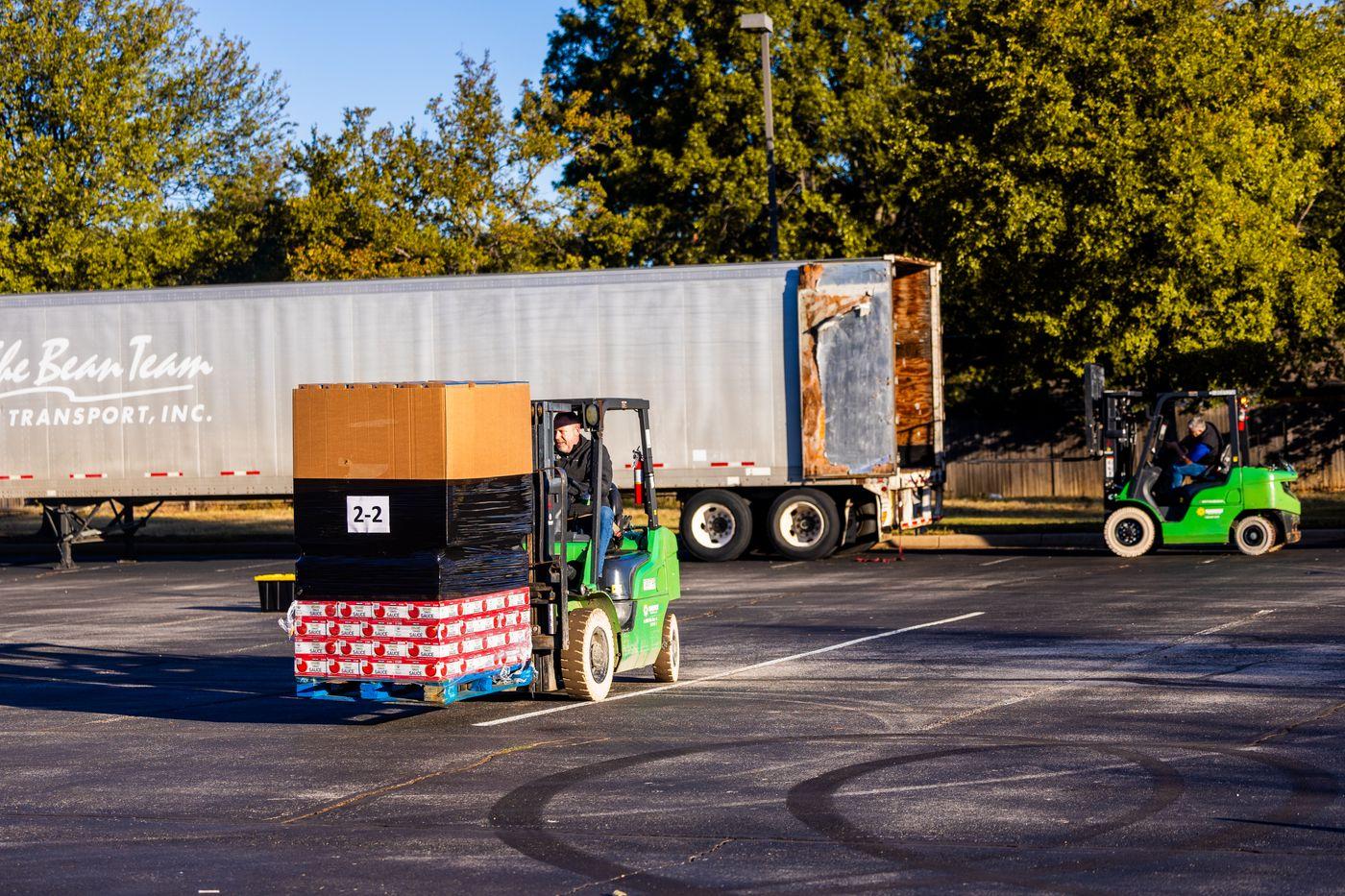
A pallet can be wrapped, labeled and ready at the loading dock and still miss its pickup. The truck may have no liftgate, the driver may have an old warehouse address, or the piece may be wider than the dimensions supplied for the quote. A good freight checklist is a handoff document. The person booking the shipment, the warehouse releasing it and the receiver unloading it should all be able to work from the same information.
List the goods that will travel on each pallet and decide who will pack them. Keep cartons of similar strength together where practical. If the load includes a tall machine or a heavy piece with an uneven base, have the packer decide how it can be supported and secured. Give the freight provider a photograph and ask about handling before committing to a pickup. A machine that fits within the pallet footprint can still need special equipment if the load is uneven.
Inspect the base before loading. Check for damage, loose boards and any feature that would obstruct the lifting equipment at either end. Confirm the type of pallet or crate the provider will accept on the route. Ask the supplier or broker to confirm whether there are destination requirements for wood packaging and what records or markings they need. Get that answer while the goods can still be repacked without delaying the truck.
Use packing that keeps cartons or components from shifting during normal handling. Have the packer choose any straps, edge protection, wrap or blocking appropriate to the actual load. Protect corners and surfaces from contact with the packing materials themselves. If a carton extends beyond the pallet, ask whether you can change the layout or use a larger base. Include any remaining overhang in the dimensions you send for a quote.
Give each pallet its own identifier and use those identifiers in the packing list. For a four-pallet shipment, a warehouse can record what belongs on Pallet 1 through Pallet 4 and put a matching label on each unit. Place the label where the person counting the shipment can see it without cutting the wrap. Photograph the packed units with their labels visible. That gives the receiver a reference if the freight arrives in separate deliveries or a label becomes hard to read.
Take the outside length, width and height at the widest points, including the base and packaging. Record gross weight rather than the weight of the merchandise alone. Add the unit of measure beside each figure. If there are multiple sizes, give the provider a separate row for each size. State whether each piece can carry freight on top and tell the provider if the packer has specified orientation or lifting restrictions.
For example, two packed pallets measuring 120 × 100 × 145 cm occupy 3.48 cubic meters together. A third pallet measuring 120 × 80 × 90 cm adds 0.864 cubic meters. The shipment totals 4.344 cubic meters. If the first two pallets weigh 450 kg each and the third weighs 240 kg, the total gross weight is 1,140 kg. Use the cargo calculator for each size group and send the line items as well as the totals.
Ask the pickup location to confirm its dock, equipment, access hours and appointment procedure. Include the contact who can release the freight and any reference the driver must give at the gate. If the load is stored at a different address from the seller’s office, use the warehouse address in the pickup instructions. Tell the provider if the building has limited truck access or if a certain entrance is required.
Ask the same questions at delivery. A buyer may have a pallet jack but no dock or forklift. Share the pallet dimensions and weight when asking whether a liftgate or other equipment can be arranged. Confirm where the truck is expected to leave the freight, who will move it from that point, and whether the receiving team has enough people on duty. Ask the provider to put any special delivery service in the quote.
Send the receiver the pallet count, identifying marks, expected delivery window and shipment reference. Agree who will check the count and condition at arrival. If the receiver notices torn wrap, a leaning stack or visible damage, ask them to take photographs and record what they observed on the delivery record where possible. Keep the packing list, pickup record and delivery documents together so the team can identify the affected unit quickly.
Ask the packer whether the load can support anything above it and under what conditions. If the answer is still pending, tell the provider before quoting. A flat top alone does not show that the cartons or contents can bear additional weight. Ask how a nonstackable piece would affect handling and available space.
Share the estimate while planning if you identify it as provisional. Before dispatch, give the provider each size, weight and handling restriction. Two shipments with the same total volume can occupy space differently if one has a very tall piece or cannot be stacked. Ask the provider to review the final figures against the booking.
Send the updated count and dimensions to the provider before loading. Ask whether the additional freight can travel on the booked vehicle and service. Update the packing list and tell the receiver what changed. The driver’s ability to fit the unit on the truck is only one part of confirming the updated booking.
Compare them once you know the finished load, the stacking limits and the receiving setup. Ask for equivalent pickup and delivery coverage on both proposals. The container comparison guide explains which handoffs and charges to check when reviewing those quotes.
Have the dimensions and access details ready? Request a pallet freight quote from Post Express.

Hi there! How can we help you today?
Cookie preferences