Hi there! How can we help you today?

Office Address
123/A, Miranda City Likaoli
Prikano, Dope
Phone Number
+0989 7876 9865 9
+(090) 8765 86543 85
123/A, Miranda City Likaoli
Prikano, Dope
+0989 7876 9865 9
+(090) 8765 86543 85








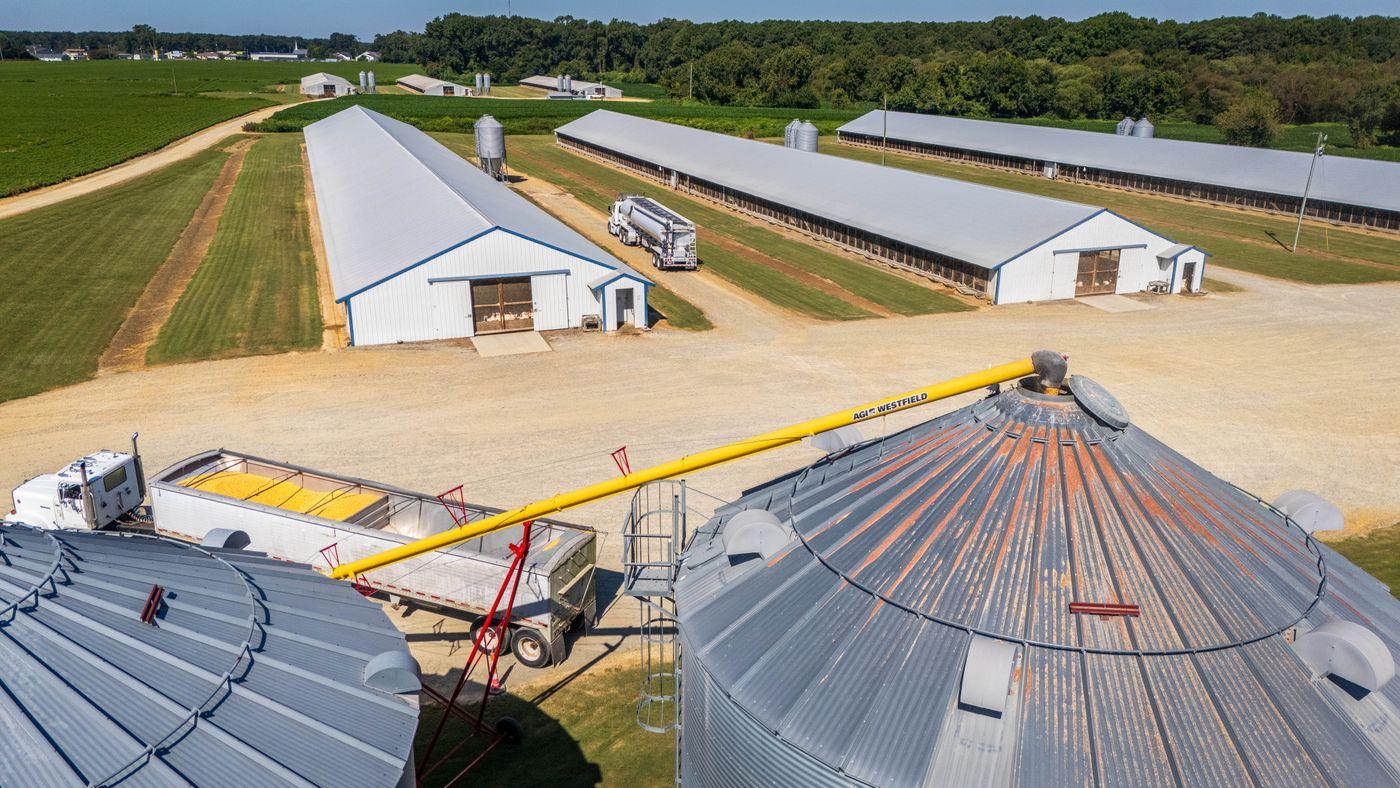
 by Rosalina William
Start with the product, not the shipping date. A pallet of sealed retail flour, a bulk shipment of raw grain and a chilled load of fresh produce may all be called agricultural freight. They pose different questions at pickup and delivery. Before you compare freight quotes, give the provider enough information to identify the commodity, assess handling requirements and ask the receiving team what it will need before it accepts the shipment.
Use the product name your supplier and buyer recognize. Include its form, such as whole, milled, frozen, dried or packed for retail. Say whether it is food, feed, a planting product or intended for another use. Note the lot numbers and package count, and ask the supplier to confirm the country of origin. Keep a copy of the product label so a broker or freight provider can resolve questions without relying on a verbal description.
Use the same description on the packing list and in your freight inquiry. If the supplier uses an internal product code, put it beside the plain-language name. For example, an order reference can identify the sale, while the commodity description and lot references identify what is in the cartons. Both are useful when several orders are waiting at one warehouse. Ask your buyer whether it needs a particular lot reference on the outside of every carton or pallet.
Have the buyer or its broker confirm what applies to the specific product and destination. Give them the origin, processing method, intended use and packaging details. Ask what records, permits, certificates or labeling they need, who obtains each document, and when they must receive it. If the answer depends on a detail you do not have, assign someone to get it from the supplier before committing to a pickup.
Make a short document list and put a name beside each item. Record who creates it, who reviews it, who receives it and when it is due. A certificate requested after a truck has already left can be harder to coordinate than the same request made before loading. Keep filenames recognizable and update your receiving team when a corrected version replaces an earlier copy. Ask whether originals or electronic copies are needed for the route.
Ask the supplier for written storage instructions and share those instructions with the freight provider. If the product needs temperature control, give the required range, the product temperature at handoff and the acceptable time outside controlled storage, if the supplier specifies one. Ask who is responsible for monitoring each leg, including staging, transfers and the time between arrival and unloading. For products sensitive to moisture, ask the packer how the packaging protects the cargo during the expected journey.
Discuss the receiving plan before pickup. The buyer may only unload during certain hours or may require a dock appointment. Give the logistics team the receiving hours and after-hours contact. Ask what happens if the shipment reaches the facility on a day when it cannot unload. For a product with limited shelf life, record the minimum shelf life the receiver expects at delivery and review the proposed schedule against that requirement.
Measure and weigh the packed units. Include the pallet, wrapping and anything protruding past the base. Say whether another load can be placed on top, and disclose uneven or unusually heavy units separately. Mark lots clearly and place identification where it stays readable after wrapping. If your customer must count packages by lot, ask the warehouse to use the same identifiers on both the pallets and the packing list.
Confirm equipment at both ends. A facility with a loading dock may have no trouble moving a heavy pallet, while a delivery address without a dock may need a different truck or unloading plan. Share access restrictions, loading hours, appointment requirements and the name of the person who can release the freight. Keep photos of the packed load, especially if an outside team wrapped or staged it before pickup.
Suppose a mill packs two identical pallets measuring 120 × 100 × 145 cm each. Each pallet weighs 480 kg with the packaging included. The combined shipment occupies 3.48 cubic meters and weighs 960 kg. The customer asks for the bags to remain grouped by lot. The mill puts lot identifiers on the outside of each pallet and records the number of bags for each lot on the packing list.
The buyer confirms a delivery appointment is necessary and asks for the document packet before the cargo departs. The freight inquiry now includes the route, the commodity description, the exact packed size and weight, the receiving hours and the stacking instruction from the mill. This is enough information to discuss service options and identify missing items without waiting until a driver arrives. Use the cargo calculator to check volume for identical pallets before submitting your request.
Ask the receiver and freight provider first. Check whether the products have compatible handling requirements and whether they must be separated for identification or inspection. If the combination is acceptable, mark each lot and make the packing list clear enough for the receiver to count each product without guessing.
Send each provider the same written storage requirements and receiving schedule. Ask who controls the temperature at each handoff, what records are available, and what happens if a delivery appointment is missed. Compare the services using the same start and end points so you can see where any handling responsibilities change.
Find out whether the request affects only paperwork or also requires a change to carton markings, lot separation or inspection. Tell the supplier and freight provider before release. Share the revised document list with the receiving team and confirm which version it expects to receive.
Include your pickup and delivery locations, product description, quantity, packed sizes and gross weights, ready date and storage requirements. Mention any confirmed inspection, appointment or handling needs. If some details are still pending, identify them so the provider can explain which parts of the quote depend on them.
For the next step, see the pallet freight checklist or send your shipment details to Post Express.

Hi there! How can we help you today?
Cookie preferences